
What Genre Is This?
Every children’s book genre has standards (rules that you may or may not want to follow). It’s helpful to articulate what genre you’re writing, even if you’re blurring the lines. It will guide your creative decisions, as you’re working on the book, and it will make it easier for your agent to position the book when it’s time to share it with editors. Categorizing a book is definitely an art not a science, but knowing the genre or age range, will help an editor understand what to expect.
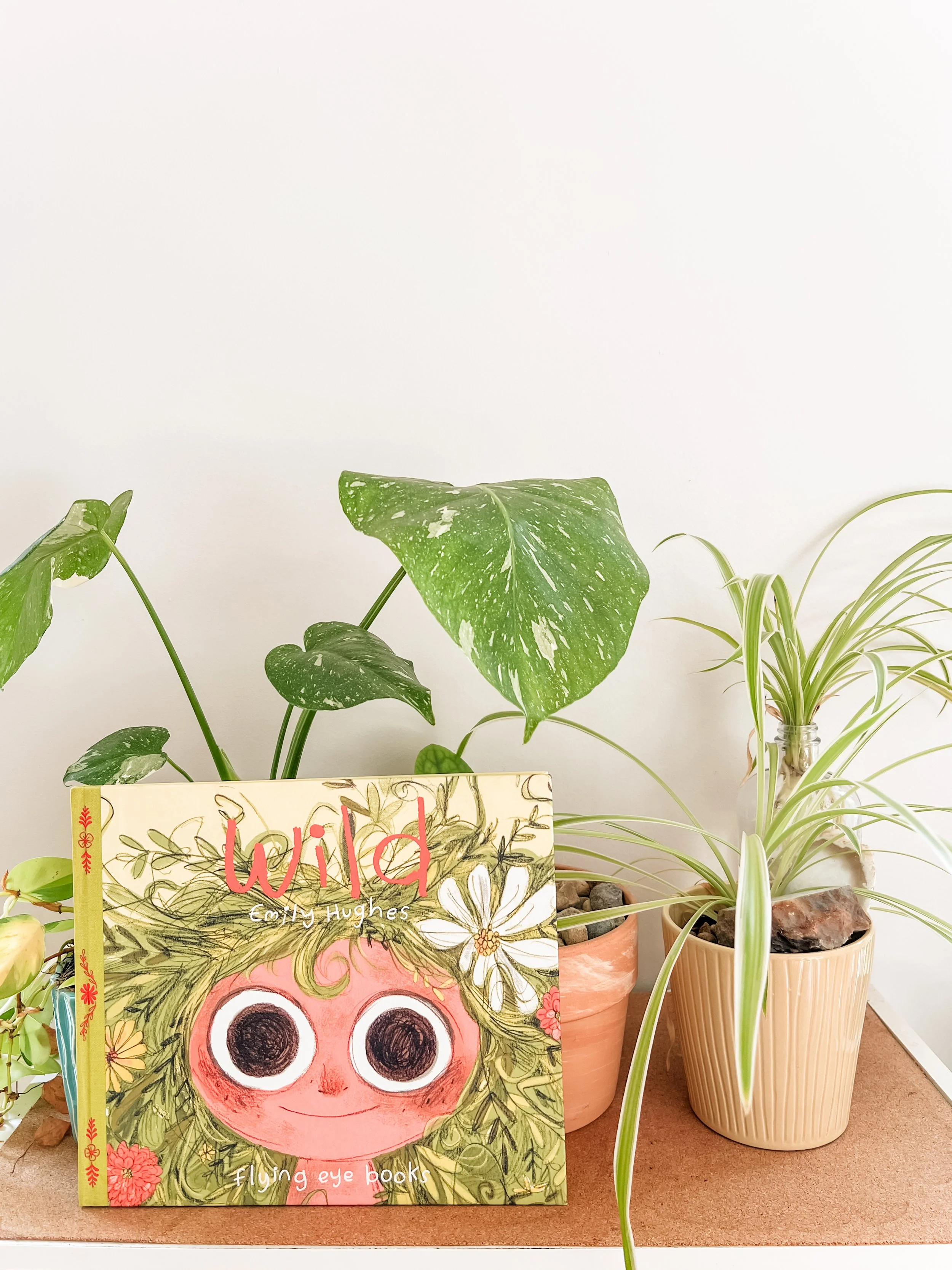
How to Write a Picture Book
Writing a picture book can look deceptively simple, but a picture book is a sophisticated art form. It pairs visual storytelling with the art of writing succinctly, giving readers unexpected layers to explore. The illustrations work with the text to create something that is grander than the sum of its parts. The text on its own may be poetic and moving. The illustrations might tell a compelling story. And together they create a special moment children and their grown-ups can share again and again.
How to Turn an Idea Into a Book
You have an idea for a book. Maybe it's a character, a sentence, a scene, an image, a question, or a feeling you can't quite explain yet.
But how do you turn that idea into an actual book?
The answer is probably less complicated—and less linear—than you think.
The only way to write a book is to start. And the best way to start is to start small.

How to Write a Nonfiction Book for Kids
Nonfiction for kids is a wonderfully broad category. It can introduce children to science, history, art, nature, math, sports, wellness, fascinating people, or entirely new ways of seeing the world. It can be a biography, a concept book, a how-to, a reference book, or a narrative that takes readers on an emotional journey.
And nonfiction can be incredibly engaging.
Many kids actually prefer nonfiction, and these books have an important place in classrooms, libraries, and home bookshelves. They can introduce children to new ideas while teaching them how to analyze and process information. They can also reach a broader age range than you might expect, particularly when they're used in upper elementary grades.
So how do you write a nonfiction book for kids?
The process starts with curiosity.
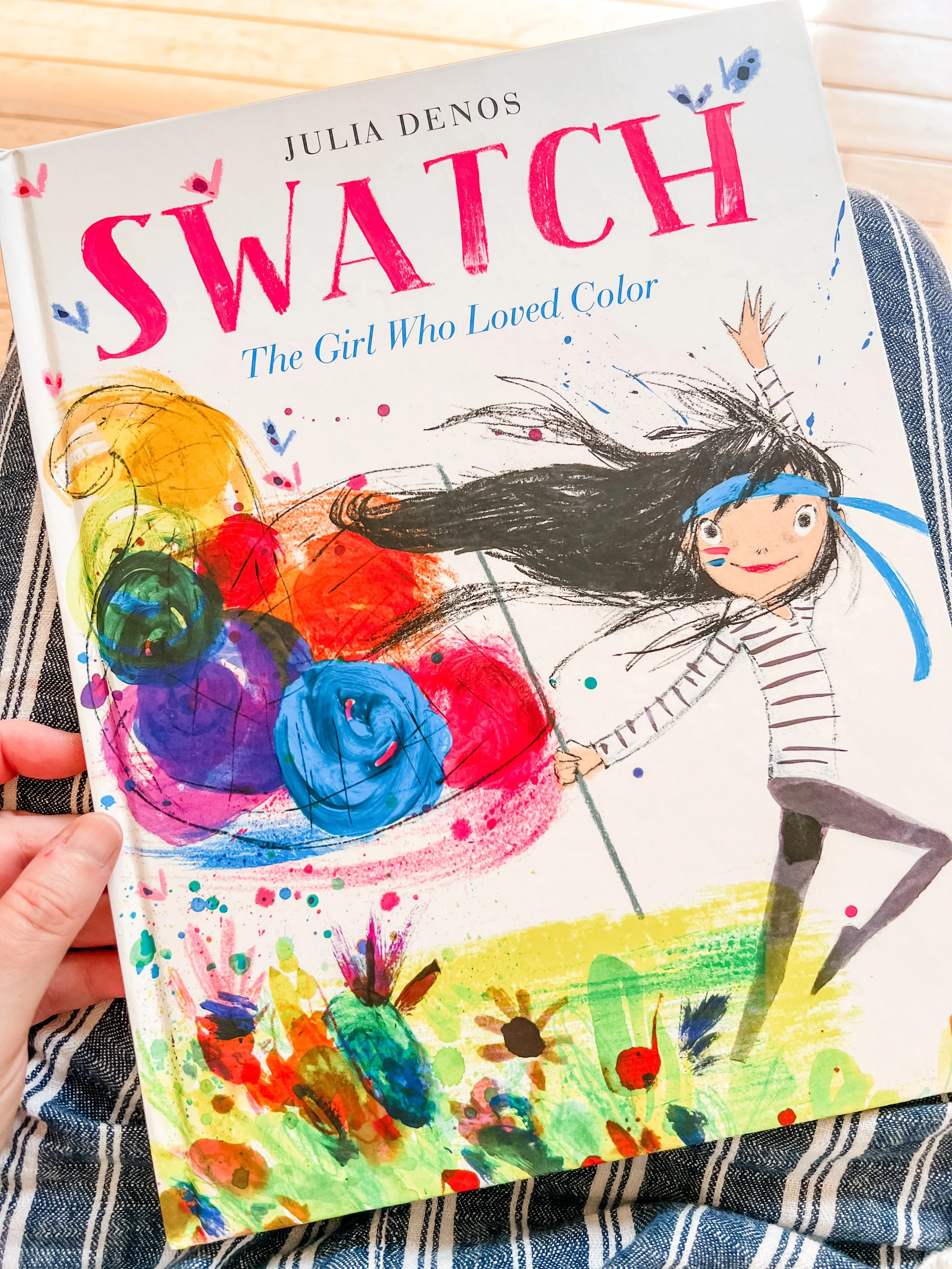
How to Find Comp Titles
In publishing, the word “comp” refers to something that’s a bit of an amalgam. Basically a “comp” is a “comparable title.” Sometimes “comp” stands for “competitive title” or “comparison title.” Other times it just means “similar.” Really a comp is a way to let people know who will like your book.
Agents speak in comps. Sometimes it’s in short hand. (Think “Little Witch Hazel meets You Matter.) Other times it’s in the form of a list of 5-10 comps in a proposal submitted to editors for careful consideration. Agents use comps to help people understand what a book is about and who will read it.